
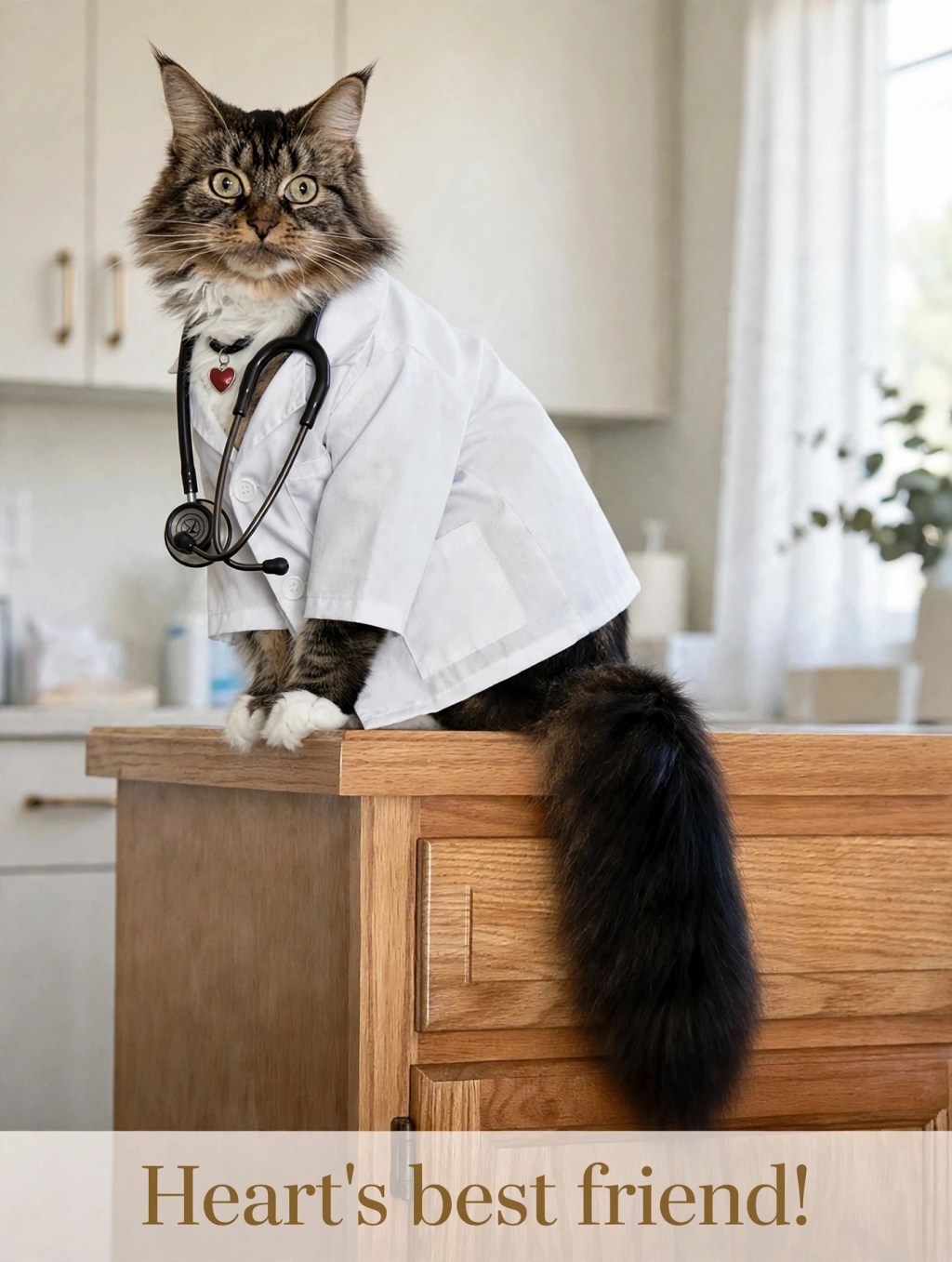
Cat guardians, especially ones with Maine Coons, know how happy these angels without wings make us feel. They purr, cuddle and gaze into our souls. But they also reduce risk of our top killer: Cardiovascular (Heart) Diseases, responsible for the largest share of global deaths (32% of all global fatalities).
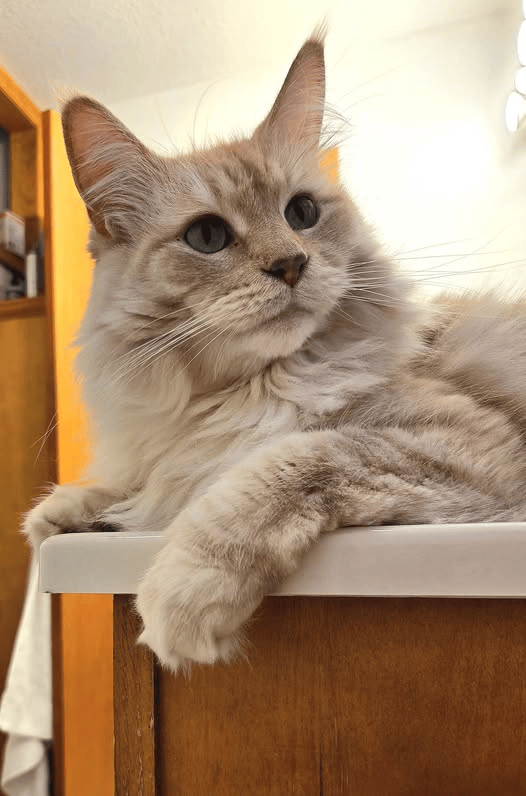
The famous 2008 study at the University of Minnesota found that current and former cat owners had a roughly 30% to 37% lower relative risk of dying from a fatal heart attack (myocardial infarction) compared to people who never owned cats.
Researchers analyzed data from 4,435 participants aged 30 to 75 from the National Health and Nutrition Examination Study (NHANES) over a 20-year follow-up period.
The lower risk of death remained statistically significant even after adjusting for classic cardiovascular risk factors, including age, gender, race, high blood pressure, high cholesterol, smoking, diabetes, and body mass index (BMI).
Dog owners registered no effect on heart health.
Researchers hypothesized that the physical act of interacting with a cat—such as petting them or listening to them purr—helps lower stress levels, reduces blood pressure, and stabilizes the autonomic nervous system, buffering the body against chronic cardiovascular strain.
Research by the Human Animal Bond Research Institute showed that positive physical contact with a cat increases human oxytocin levels while decreasing cortisol (the primary stress hormone), which protects against chronic stress-related illnesses.
A study on animal companionship and neurodiversity revealed that children on the autism spectrum who lived with cats demonstrated increased prosocial behaviors, such as a greater willingness to share and show empathy.
A study by HelpGuide.org demonstrated that the quiet companionship of a cat significantly buffers against social isolation and everyday anxiety in older adults living alone.
A cat’s purr frequency (25–50 Hz) is hypothesized to aid tissue healing.
The Human Animal Bond Research Institute reports that cat ownership helps longevity.
The only drug to rival cats’ impact on heart health are statins, which reduce odds of heart failure by 36% to 38%.
However, unlike the effect of cats, statins come with risks and side effects.
Statins may cause muscle pain and cramps, constipation, diarrhea, nausea, gas, indigestion and headaches. In rare cases, statins slightly increase the risk of developing type 2 diabetes.
If a new drug were created to rival the cat’s effectiveness on heart health, shares of the maker would surge, while competitors selling older heart drugs would see their stock values drop. Companies would set a high initial price because the drug offers a major, life-saving health benefit. Rival drugmakers would rush to develop similar preventive medicines or lower prices on existing alternatives.
All people have to do is go to the local animal shelter. No FDA approval necessary.
Cats do present a small risk of injury due to falls. Out of roughly 86,000 annual pet-related fall injuries in the U.S., dogs account for about 88% of them. Cats are included in the “other animal” category, meaning cat-specific falls make up a small fraction of roughly 10,000 or fewer ER visits per year.
However, cat bites and scratches lead to an estimated 66,000 visits to emergency departments every year. This compares to 330,000 to 368,000 hospital emergency room visits for dog bites in the United States each year.
Cats do not kill human beings. Zero evidence. Conversely, dog attacks lead to the deaths of about 30 to 50 people each year in the United States, while globally, dogs cause roughly 25,000 to 35,000 human deaths annually.
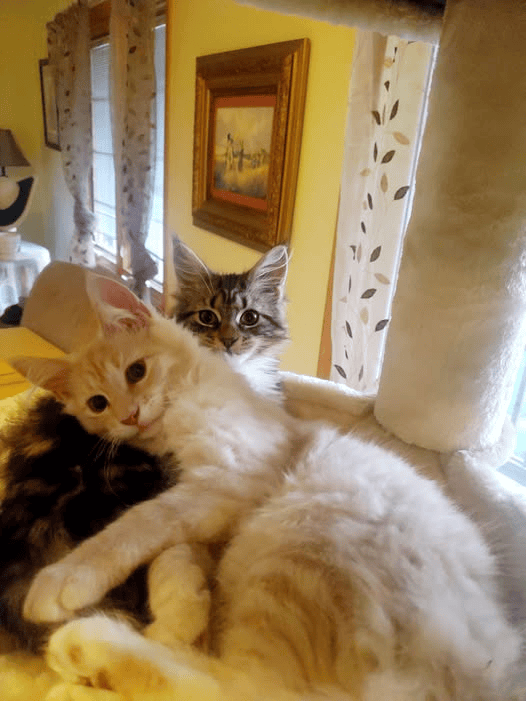
Households with multiple cats enjoy added benefits, primarily by having increased interaction releasing oxytocin (happiness emotion) and reduce cortisol.
You might ponder these facts before complaining about cats’ shedding and scratched furniture. Oh, yes: statistics show that dogs (especially puppies) cause much higher incidents of household damage, using their teeth on chair legs, baseboards, shoes, and electrical cords, which can cause severe structural or safety hazards.
So make a point to pet and play with your cat, giving extra treats today after reading this article.
And don’t forget to subscribe?


Leave a Reply