

Everyone knows you have to train puppies. People learn quickly by cleaning poop and pee. Then we know the value of walks. Three times a day. Most breeds adapt well to leashes. Siberian Huskies and Malamutes may require months or even years. Then there is begging at the dinner table, biting, barking and more.
Untrained dogs can be lethal. Cats get a bad reputation for killing birds. But dogs can kill people, cats and other animals if not properly trained. If you own a dangerous breed, like pitbulls, your home insurance will be higher or even banned. The average dog bite claim is about $45,500.
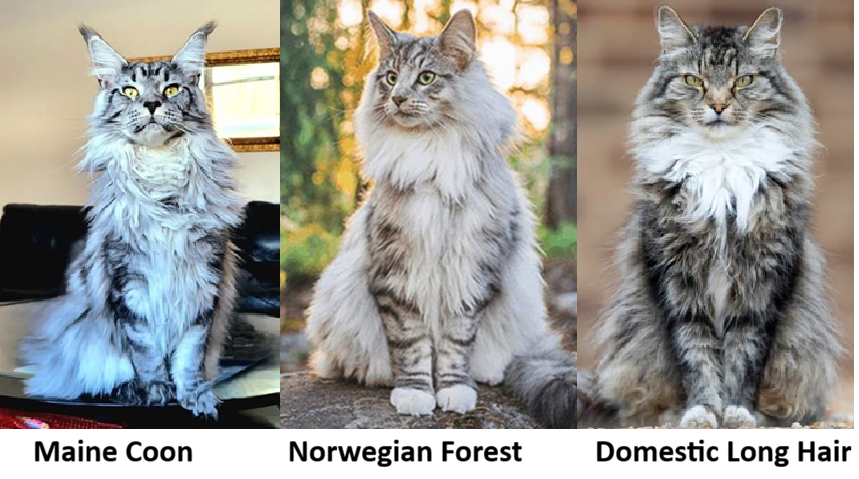
You buy cat insurance for vet bills and theft of desired breeds, like mine, Maine Coons.
Cats have a reputation as independent, and many people believe that they will adapt without much training. The issue is, well, some cats actually do. They come trained to use the litter box and basically stay out of your way or lap as long as they are fed and, on occasion, played with.
But those cats are in the minority.
This post is for people who may not realize the importance of training cats.
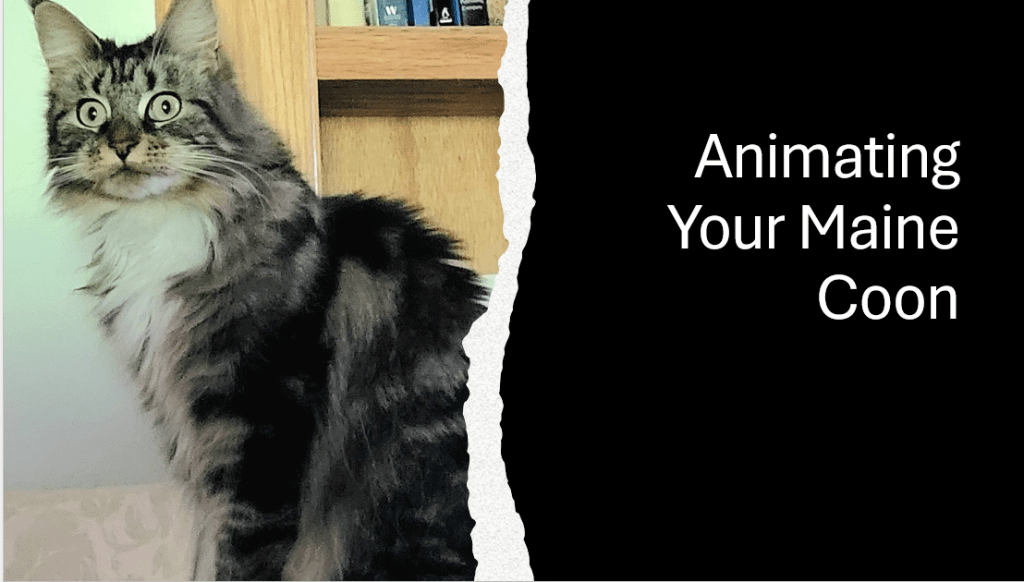
I’ll start with Freya and Siggy, Maine Coons, known for being affectionate. They are not. Female Maine Coons are not lap cats, for the most part. If you want affection, try a male.
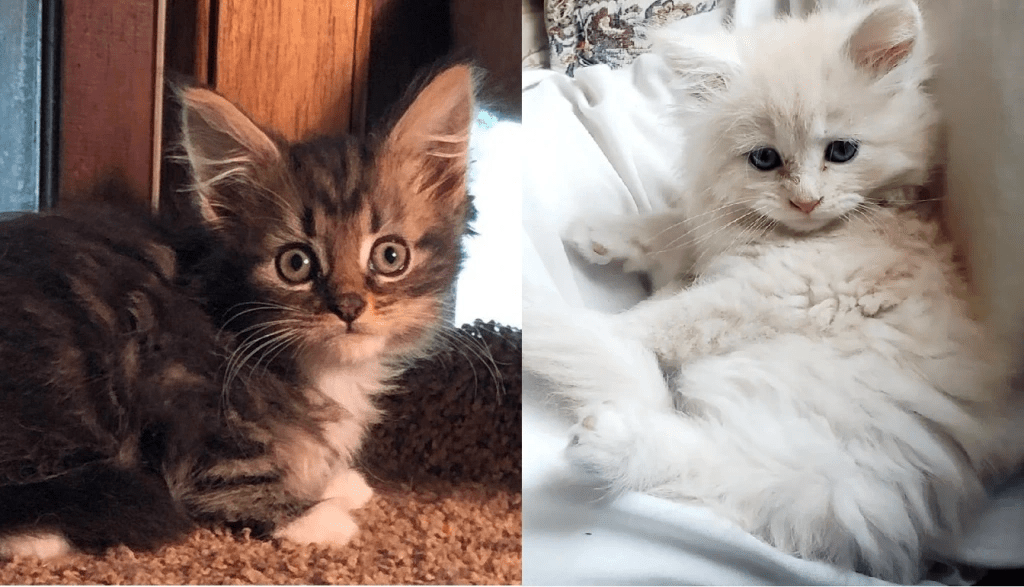
Freya required months of training. She hid in the house under refrigerators, ovens, and beds. So we had to kitten proof the house. That meant putting cardboard in every crevice so she couldn’t hide there and giving her treats when she approached us, warily, and then bolted away.
We insured that she was fed, refrained from the desire to hold and cuddle her, and let her come to us on her own terms.
Siggy was the opposite. At first, like Freya, she hid. But then she came out with a flurry of attacks on me and Diane, my spouse. She wanted play time 24/7. And she bit and scratched whenever our hands or feet were within reach. If we tried to pet her, she became aggressive with bunny kicks and even hisses.
Now Freya and Siggy are model cats. They accept affection, play and mouse, and give us unconditional love. Siggy even grooms me every morning.
Freya loves watching me bake. Her favorite spot is the kitchen.
While my YouTube and TikTok videos suggest both cats come preprogrammed for love and antics, nothing can be further from the truth.
Both cats are approaching the two-year stage, finally coming out of kittenhood and entering the teen years. That requires more attention as both are experimenting with different tactics in the home they know so well. They are free spirits. That requires their persons, me and my spouse Diane, to adapt again.
For instance, today Freya realized she can turn on the kitchen faucet for a drink. The water flowed for hours. And when I told her, no no, Freya, don’t do this. Her expression was, well, annoyed. She hasn’t learned to turn facets off, and we’re still puzzling how to deal with this new wrinkle.
Siggy is experimenting how to escape the house to kill birds. She is very quick. We have to make sure all doors are locked as she knows how to open sliding doors.
Intelligent cats often outsmart their persons.
Siggy also likes to show off how lethal she is, scratching the furniture. That angers my spouse. Here’s a video about that.
So we invested in plastic stick-on covering. Problem solved.
The sad news about Christmas kittens is how many are abandoned because their persons never realized that cats need to be trained, just like dogs. When you abandon a kitten who has chosen you as their person, they may even lapse into grief. They might develop traits that make them unadoptable. You know how that ends in shelters.
Cats take time to train. Dogs are adaptable. Cats usually are not. In other words, dogs can thrive in any environment. Cats want predictability. Every day, every interaction, should occur on schedule. That includes food. Treats. Playtime. Litterbox cleaning. Walks on leashes.
So figure out what you want your kitten to do and not do. Then use treats to reward good behavior.
Every cat has a different personality. Your goal is to figure that out within a regular structure and schedule.
There are many online guides to training a cat. One of my favorites recommends these steps:
- Stock up on treats
- Find the best time
- Keep training sessions brief
- Eliminate distractions
- Be consistent with cues
- Only train one skill at a time
- Repeat, repeat, repeat
- Use positive reinforcement
- Be patient
Right now I am training Siggy to use “Talking Buttons,” to let us know what she wants in English so that we do not misinterpret her desires. She’s smart enough to use these tools because her main goal in life is to please me. Freya is too independent. I won’t waste my time.
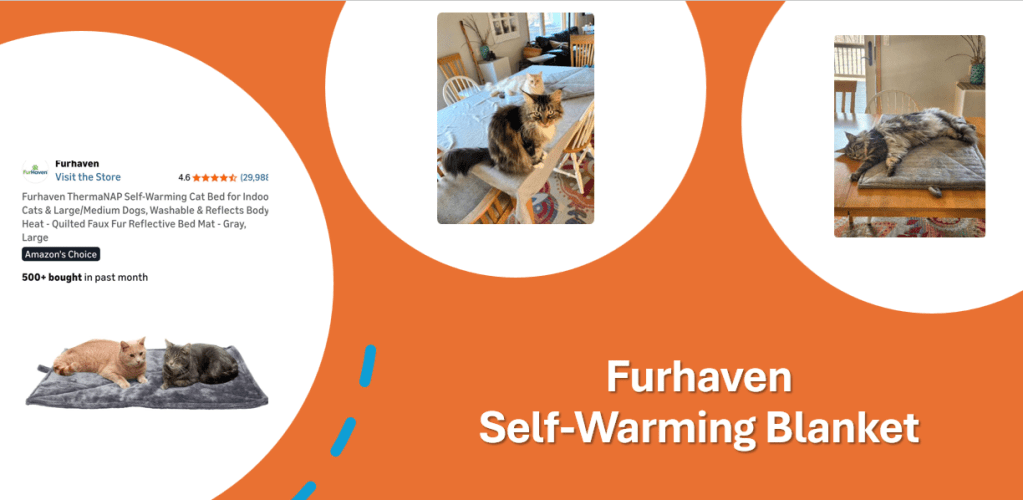
Here’s the product, which you can order on Amazon.

The worst thing that any person can do is abandon a cat because it didn’t live up to its expectations. Cats bond. They choose you. They love deeply even when they don’t appear to show it.
Treats and playtime are the best remedies for any undesired behavior. Never scold or use a water spray bottle. That will only make your kittens afraid of you. They will not make the connection that their behavior is undesired. They will think you do not like them, and that will lead to more bad behaviors.
Also, the best toys are balls with bells inside, ping pong balls and wand toys. Never use your feet or hands as toys or you will regret never being able to pet your cat because she thinks your appendices are toys.
Is the time investment worth it? YES. I cannot imagine my life without Freya and Siggy who bring me joy and make every day an adventure, which is why we titled this blog as … Mainecoonadventures.com.

 Maine Coon Adventures
Leave a comment